Why non-profits must invest in employee creators

The new voice of credibility
In the past decade, organisations have relied heavily on professional press releases and carefully scripted newsletter content to achieve visibility and credibility. Over time, however, the influence of these channels appears to be waning and disconnected from their audience. Within the ambit of corporate communications, consumers and other stakeholders now increasingly trust authentic voices from within the organisation more than official and approved releases.
The MIT Sloan Management Review article titled 'Tap Employee Creators To Transform Your Social Media Strategy' highlights this shift - employee-generated content leads organisations to build better trust relationships and achieve broader visibility and stronger audience participation.
For non-profit organisations the implication is very powerful - employee creators can be a vital lifeliner because of the resource-constrained ecosystems in which they operate.
Why employee creators matter
Non-profits' resource constraints, geographical and thematic spread, and donor-driven accountability make employee-driven storytelling a necessity.
Making the most of limited resources: Most non-profits cannot afford large content teams. By training staff in personal storytelling, organisations can make the most of their limited resources. Employee creators, being deeply connected to the organisation's mission, can authentically convey its values and stories, fostering trust and engagement with donors, stakeholders, and the broader community.
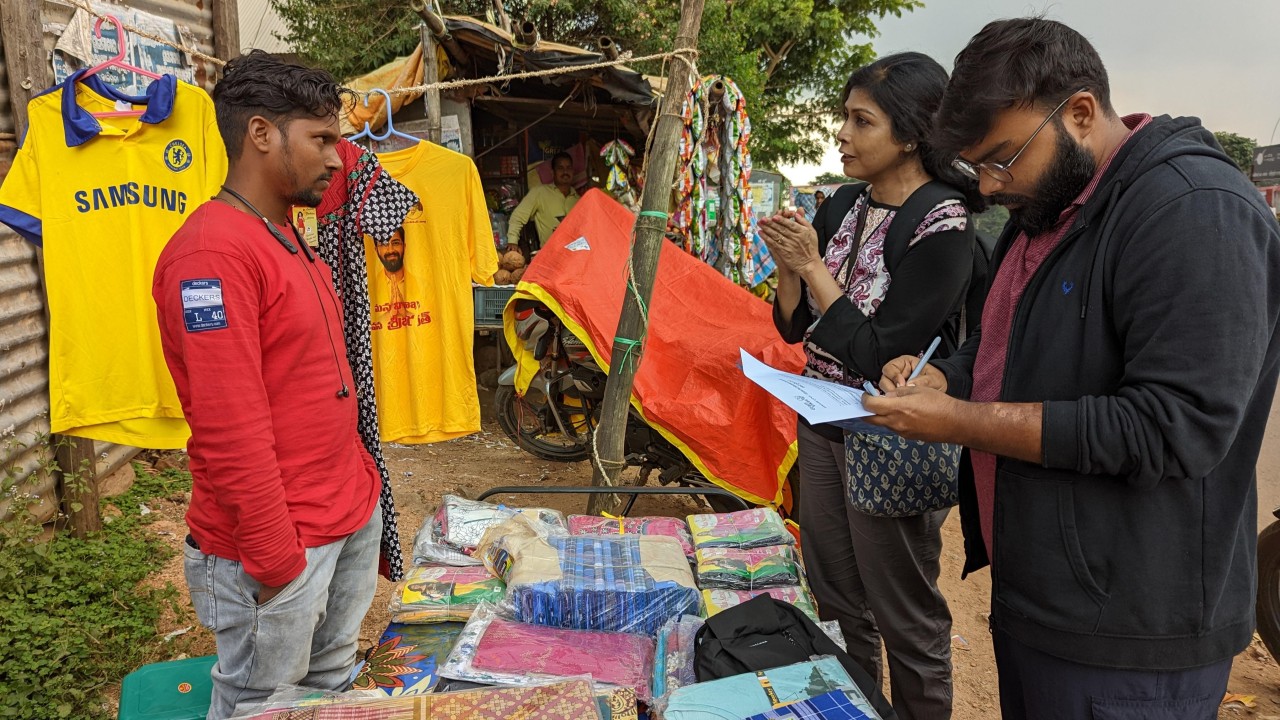
Capturing the diversity of work: Non-profit organisations span geography and themes, from climate adaptation in Maharashtra to education in Odisha. A single communications officer cannot do it all. Employee creators, on the other hand, are embedded within programmes, providing a more authentic perspective of the non-profit's work.
Giving donors the recognition they deserve: Most donors want to see their impact and many, especially large corporate and institutional donors, seek recognition for their support on the ground. When employee-creators post field stories - a farmer’s higher yield, an improved water system, or a classroom alive with learning - it reinforces the donor’s role and deepens their connection.
Building credibility and reputation: Built upon lived experience, employee stories create credibility and a sense of authenticity. This also serves as the organisation's best defense against criticism.
How to launch an employee creator programme
A successful shift to an employee creator model can't be done ad hoc. It requires clarity, structure, and long-term investment.
Here is a roadmap based on our experience:
- Identify employees with an interest in publishing: Putting together a LinkedIn post, creating a short video, or writing a blog entry may not be intuitive for everyone. Start by spotting those who have already demonstrated an instinct for sharing - whether they post photos of fieldwork, write reflections in internal reports, or speak at community meetings confidently.
- Identify training needs: Despite the identified employees' willingness to help, they may not possess certain skills, such as editing video on a phone or understanding digital ethics. Design short, practical modules based on the training requirements - from storytelling to platform use.
- Define key success measures: It is unlikely that a vague "share more content" call will succeed. Instead, put clear, measurable goals in place: frequency of posts (e.g., one story per month per creator), diversity of formats (text, photo, video), and thematic spread. Align these with organisational objectives so creators know their work contributes to the larger goals.
- Handhold in the early months: A crucial period of time is the first three to six months. The selected employee creators will need encouragement, editorial feedback, and sometimes even co-creation support. It is helpful to have a dedicated communications lead who reviews drafts, suggests improvements, and ensures compliance with the brand guidelines. In the absence of this handholding, enthusiasm may quickly wane.
- Recognise consistent creators: Employees who contribute regularly should be acknowledged through internal shout-outs, awards, or small incentives. As well as rewarding effort, recognition sets an example for others as well to follow suit.
- Provide refresher training and capacity building: Platforms and tools for digital communication are rapidly evolving. Periodic refresher sessions keep creators sharp, refine their craft, and maintain momentum. Participants also have the opportunity to share challenges and learn from each other during these sessions.
Outcomes to aim for
Using employee creator programmes to reshape communication can be a powerful tool for non-profits.
The outcomes are tangible:
- Distributed visibility: Multiple employee creators create a distributed web of visibility instead of a corporate page that struggles to cut through noise. The reach of each post is multiplied by tapping into different networks.
- Employee advocates: Employee creators become its most credible advocates. In fact, they speak not as PR people, but as professionals and community workers with first-hand experience of the organisation's mission.
- Higher credibility: Regardless of who the audience is - donors, media, or the public - they perceive employee voices as more authentic. Eventually, this increases trust in the organisation's narrative.
- Higher engagement: Content generated by employees tends to generate more discussion, comments, and sharing. It is people who connect with each other, not faceless institutions.
- Donor recognition of capabilities: As employee creators demonstrate the organisation's diverse expertise and on-the-ground innovation, donors receive a stronger sense that they are supporting an effective, credible, and dynamic organisation.
- Donor recognition itself: When donors see their contributions reflected in authentic, field-level stories, they feel valued. Recognition strengthens relationships and increases the likelihood of sustained support.
A cultural shift, not just a tactic
What the MIT Sloan article underscores, and what non-profits must remember, is that employee creators represent a cultural shift. It is not about squeezing free labour from staff, but about recognising that communication is a shared responsibility.
To succeed, leadership must signal openness and trust.
It is important for employees to feel safe when sharing ideas, knowing that occasional rough edges in tone or style will be refined rather than punished. Freedom must be balanced with guidance, ensuring alignment with core values without stifling individual voices.
A case for urgency
Often, non-profits hesitate, citing risks: What if employees say the wrong thing? What if the quality is uneven? Donors may disapprove. What then? There is nothing wrong with these concerns - however, they should be addressed through training and curation, not through avoidance.
Silence poses the greatest risk. Without telling your story, your relevance with your stakeholders is already low in today's information environment. An employee creator programme provides a cost-effective, credible, and scalable way for non-profits to remain visible, credible, and relevant.
Let's co-create an employee creator programme
At Wordmatter, we have seen first-hand how an organisation's ability to communicate can be greatly improved by empowering its employees to become creators. The power of authentic stories strengthens bonds with donors and communities alike.
It is time to move beyond pilots and hesitations. The need for employee creators is particularly pressing for non-profits navigating constrained budgets, diverse geographies, and ever-demanding donors. Their role in strengthening communications cannot be overstated.
An organisation’s voice is at its strongest when carried by its people.
Reach out to us at hello@wordmatter.in to enable an employee-creator programme in your non profit. Alternatively, book an appointment with us here.

One more story worth telling